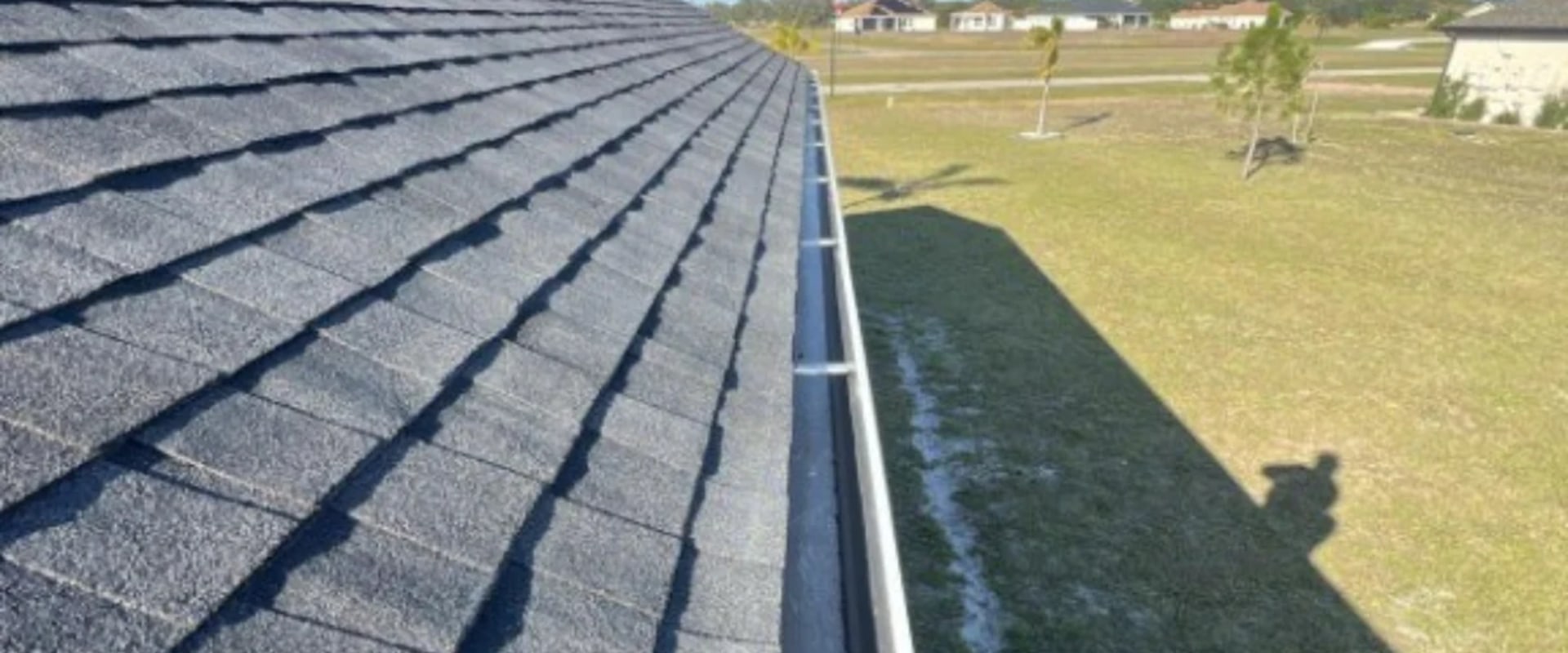
Homeowners seeking quick roofing solutions often consider layering new shinglesover existing ones. This approach appears cost-effective and convenientinitially. However, roofing professionals consistently advise againstthis practice for compelling reasons. The structural integrity, moisture management, and long-term performance of the roof become greatlycompromised. Understanding these critical issues helps property ownersmake informed decisions that protect both their investment and thebuilding's occupants.
The Structural Burden of Adding Extra Shingle Layers
The structural repercussions of layering new shingles over existingones extend far beyond mere aesthetic concerns. Each additional layerconsiderably increases the weight load on the roof structure, oftenadding 2-4 pounds per square foot. This excessive burden stressessupporting rafters and trusses, potentially leading to noticeablesagging or buckling in the roofline.
For older homes with already compromised structural elements, thisadded weight becomes particularly problematic. The risk of structuralfailure increases dramatically during severe weather events when rain or snow accumulation adds even more weight. Under these conditions, theoverloaded roof structure may ultimately fail, resulting in costlydamage to the entire home. Regular engineering assessments becomeessential for roofs carrying multiple shingle layers to monitorpotential structural compromise.
Trapped Moisture and Hidden Damage Concerns
Layering new shingles over an existing roof creates an idealenvironment for trapped moisture, which frequently leads to concealedmold growth beneath the surface. This hidden moisture compromises thewooden deck's integrity through prolonged exposure, causing rot andstructural weakening that remains undetectable until significant damageoccurs. Professional roofing contractors recommend complete removal ofold materials to properly inspect and address underlying issues beforeinstalling new roofing components.
Concealed Mold Growth
Hidden beneath the surface of layered shingles, moisture can becometrapped between old and new roofing materials, creating an idealbreeding ground for mold and mildew. This concealed growth posesconsiderable risks to structural integrity as mold gradually weakensroof components without visible indicators.
The economic implications of remediation are substantial, oftenrequiring invasive inspections and extensive repairs. More concerningare the health impacts—mold spores can infiltrate living spaces throughductwork and ceiling materials, compromising indoor air quality andpotentially causing respiratory issues.
Prevention necessitates addressing the root cause. Rather thanoverlaying shingles, complete removal of deteriorated materials allowsfor proper inspection and moisture control. Professional remediationbecomes considerably more challenging and costly when mold hasestablished between multiple roofing layers, making complete tear-offsthe prudent long-term solution.
Deteriorating Deck Integrity
Concealed beneath layers of shingles, roof decking can silentlydeteriorate when multiple roofing layers prevent proper inspection andmaintenance. This concealment makes thorough assessment impossible,allowing rot to develop undetected in the wooden structure.
The layering of shingles creates ideal conditions for moistureentrapment between layers, accelerating wood deterioration. This trapped moisture adds significant weight to an already overburdened structure,potentially leading to sagging rafters and compromised structuralintegrity.
Most concerning is how these issues compound over time—minordeterioration can evolve into major structural failure if leftunaddressed. The inability to detect and remedy deck issues earlytranslates to exponentially more expensive repairs later. Propermaintenance requires direct access to the decking, which layeringshingles fundamentally prevents.
Heat Retention Effects on Roof Performance
When multiple layers of shingles are installed on a roof, theresulting heat retention can substantially compromise the roof'sperformance and longevity. The additional layer acts as an insulativebarrier that traps heat, accelerating the deterioration process of bothnew and existing shingles.
This excessive heat buildup causes asphalt to age prematurely,diminishing the roof's expected lifespan. The elevated temperatures cancompromise the adhesive properties of new shingles, leading to curlingand buckling over time. As thermal cycling continues, the shinglesexpand and contract at different rates, creating stress pointsthroughout the roofing system.
Consequently, what initially appeared to be a cost-effective solution inevitably leads to expedited deterioration, requiring more frequentrepairs and ultimately a complete tear-off sooner than anticipated.
Building Code Violations and Permit Issues
Maneuvering the complex landscape of building codes presentssignificant challenges for homeowners considering layering new shinglesover existing ones. Most jurisdictions limit roofs to a maximum of twoshingle layers, while some areas prohibit overlays entirely. Ignoringthese regulations can result in severe consequences.
Compliance failures typically manifest in three critical ways:
- Financial penalties and fines from local authorities, potentially escalating to legal action for persistent violations
- Property devaluation and marketability issues when selling, as non-compliant roofing must be disclosed to potential buyers
- Insurance coverage complications, with some providers refusing claims or increasing premiums for properties with code violations
Proper permitting involves documentation, inspections, and adherenceto local zoning regulations—essential steps that protect both safetystandards and property value.
Insurance Complications and Warranty Voidance
Insurance providers frequently reject claims related to roofs withmultiple shingle layers, viewing such installations as high-riskliabilities that warrant increased premiums or coverage denial.Manufacturer warranties explicitly require installation on clean,properly prepared surfaces, with layered applications resulting inimmediate warranty termination for both existing and new materials.Property owners who choose to layer shingles face significant financialexposure through both uninsurable damage and ineligibility for warrantycompensation when problems inevitably arise.
Policy Coverage Risks
Homeowners face significant insurance and warranty complications when layering new shingles over existing roofing materials. Insurancecompanies typically view multiple shingle layers as a liability risk,often resulting in coverage denials or increased premiums. Thestructural integrity concerns and potential for trapped moisture further complicate policy terms.
Warranty protection becomes compromised in three critical ways:
- Manufacturer warranties become void when installation deviates from specified guidelines, which typically prohibit layering
- Building code violations may occur, triggering regulatory complications and potential legal consequences
- Insurance claims for damage related to multiple layers are frequently denied, leaving homeowners responsible for costly repairs
This non-compliant installation approach creates substantialfinancial exposure, as homeowners must bear the full burden of repairswithout insurance or warranty support.
Warranty Immediate Termination
Layering new shingles over existing roofing often triggers immediatewarranty termination, creating a cascade of consequences beyond thepolicy complications previously outlined. Manufacturers explicitlyprohibit this practice in their warranty guidelines, considering itnon-compliant installation that compromises product performance.
The rationale behind immediate termination stems from severaltechnical concerns: additional weight stresses the roof structure,potentially causing sagging or failure; layered installations maskunderlying damage like rot or moisture infiltration; and properinspection becomes virtually impossible. Most manufacturers design their products to function effectively as complete systems, requiringsingle-brand materials and specific installation techniques.
Local building codes frequently reinforce these restrictions,sometimes explicitly prohibiting multiple shingle layers due tostructural integrity concerns. For homeowners, this warranty voidancerepresents a significant financial risk, as repairs or replacementsbecome entirely out-of-pocket expenses.
Long-Term Cost Implications of Shingle Layering
The economy of saving money upfront often gives way to a costlyreality when homeowners choose to layer shingles instead of completelyreplacing their roofs. While initial savings can beappealing—approximately 25% less than a complete tear-off—theseshort-term benefits ultimately lead to greater expenses over time.
Consider these long-term financial implications:
Reduced Lifespan - Layered roofs typicallydeteriorate faster than new installations, necessitating earlierreplacement and negating initial savings.
Increased Maintenance Costs - Multiple layerscreate more opportunities for leaks, structural issues, and compromisedinsulation, resulting in higher repair expenses.
Diminished Property Value - Homes with layeredroofs often appraise lower, as potential buyers recognize the hiddencosts and risks associated with this roofing approach.
Insurance companies may also charge higher premiums or deny coverage entirely for layered roofing systems.
While layering shingles may offer short-term cost savings, thispractice introduces substantial long-term risks. The additional weightcompromises structural integrity, traps moisture, acceleratesdeterioration, and creates potential building code violations. Properroof installation requires complete removal of existing materials toguarantee structural soundness, warranty compliance, and peakperformance. Professional contractors recommend complete tear-offs asthe only reliable approach for sustainable roofing solutions.